Module 1: Introduction to Working at Height
- Definition of “work at height” under international standards (OSHA, ISO, ILO)
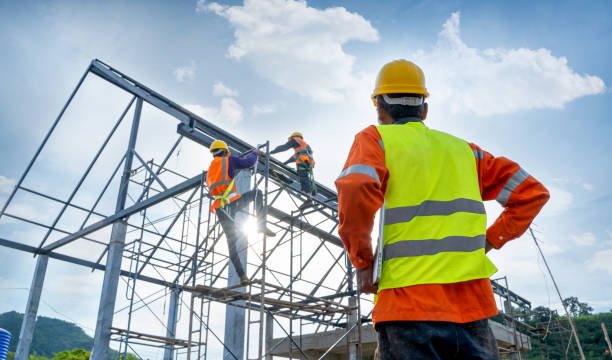
- Common work-at-height tasks (scaffolds, ladders, roofs, platforms)
- Legal and regulatory requirements
Module 2: Hazards Associated with Working at Height
- Falls from ladders, scaffolds, and elevated platforms
- Falling objects and dropped tools
- Weather, surface conditions, and visibility hazards
Module 3: Hierarchy of Controls for Work at Height
- Elimination – Avoiding the need to work at height
- Substitution and engineering controls
- Use of PPE as the last line of defense
Module 4: Risk Assessment and Planning
- Identifying hazards before starting work
- Evaluating risk levels and implementing controls
- Safe work method statements (SWMS) and permit-to-work systems
Module 5: Access Equipment and Platforms
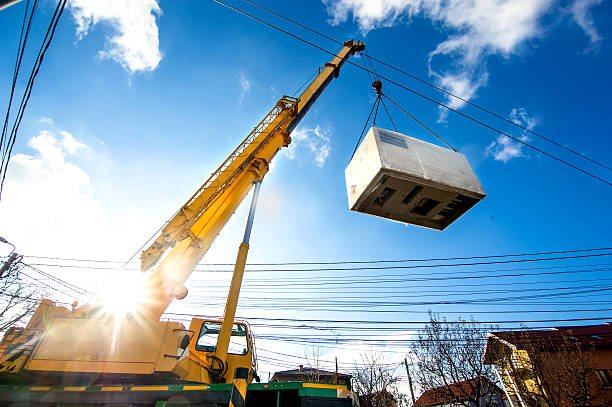
- Types of access equipment (scaffolds, MEWPs, ladders, towers)
- Inspection, certification, and maintenance requirements
- Safe setup and use procedures
Module 6: Scaffolding Safety
- Scaffolding types and components
- Safe erection, modification, and dismantling practices
- Roles of competent persons and inspection frequency
Module 7: Ladders and Step Platforms
- Selection of appropriate ladder type
- Pre-use inspection and stability checks
- Safe climbing and working techniques
Module 8: Fall Protection Systems
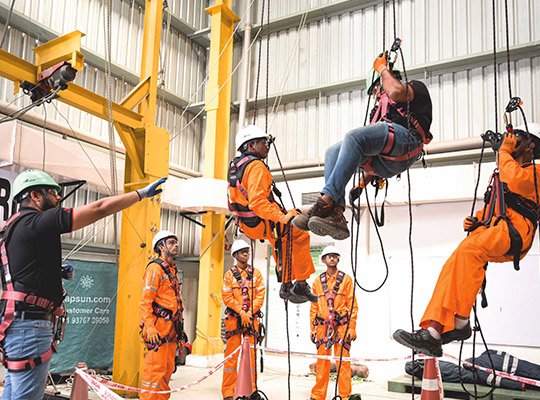
- Types of fall protection: restraint, arrest, and positioning systems
- Safety harnesses, lanyards, lifelines, and anchor points
- Proper fitting, inspection, and use of fall protection PPE
Module 9: Rescue and Emergency Planning
- Developing an emergency response plan for falls
- Rescue equipment and methods
- Training and drills for rescue teams
Module 10: Weather and Environmental Considerations
- Working in rain, wind, heat, and cold
- Stability of equipment and surfaces under different conditions
- Decision-making when weather compromises safety
Module 11: Inspection, Maintenance, and Recordkeeping
- Pre-use and periodic inspection of equipment
- Reporting defects and tagging unsafe gear
- Documentation and compliance records
Module 12: Roles, Responsibilities, and Safety Culture
- Responsibilities of employers, supervisors, and workers
- Communication and supervision at height
- Promoting a proactive safety mindset and reporting near misses