Module 1: Introduction to Excavation Safety
- Importance of safe excavation practices
- Common excavation hazards and accidents
- Regulatory requirements and standards (OSHA, local codes)
Module 2: Types of Excavations
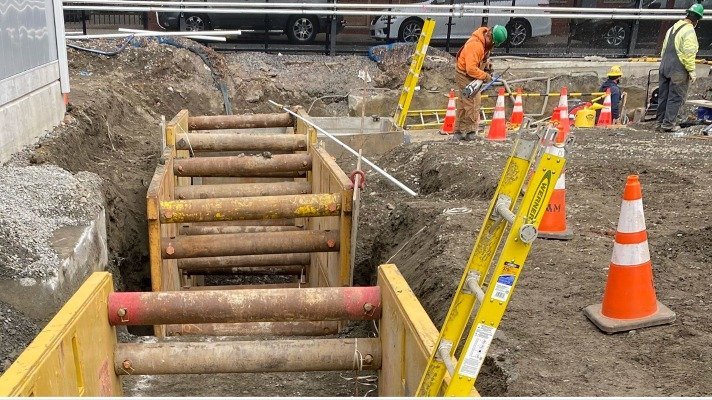
- Trenches, pits, and foundations
- Open cuts and confined excavations
- Characteristics and risks of different excavation types
Module 3: Roles and Responsibilities
- Duties of employers, supervisors, and workers
- Competent persons and site safety officers
- Reporting hazards and unsafe practices
Module 4: Soil Classification and Stability
- Types of soil and their properties
- Determining soil stability and risk assessment
- Effects of moisture, vibration, and nearby loads
Module 5: Shoring, Shielding, and Sloping
- Protective systems: trench boxes, shoring, benching, and sloping
- Design principles and installation procedures
- Ensuring stability under load and environmental conditions
Module 6: Hazard Identification in Excavation
- Cave-ins, falls, equipment hazards, and utilities
- Water accumulation and flooding risks
- Atmospheric hazards: toxic gases, oxygen deficiency
Module 7: Safe Entry and Exit Practices
- Ladders, ramps, and steps for safe access
- Clearance distances and safe working zones
- Avoiding slips, trips, and falls
Module 8: Personal Protective Equipment (PPE)
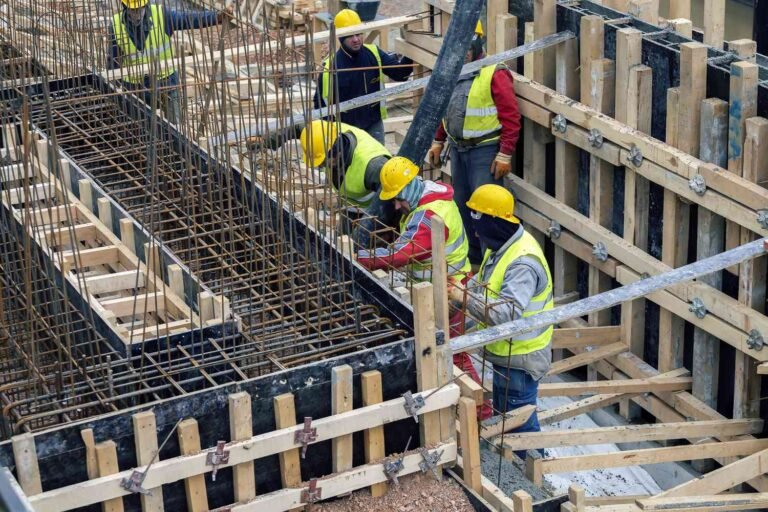
- Helmets, boots, gloves, and high-visibility clothing
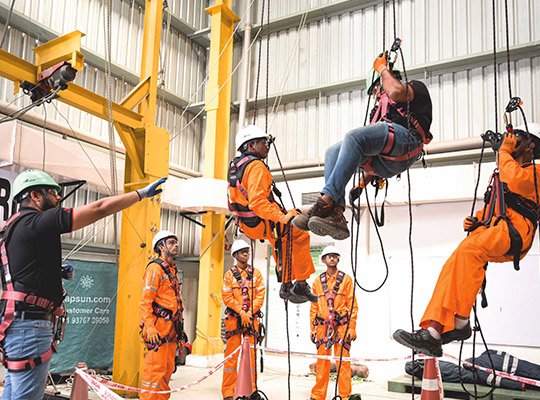
- Specialized PPE for trenching and confined spaces
- Proper inspection, maintenance, and use
Module 9: Equipment Safety Around Excavations
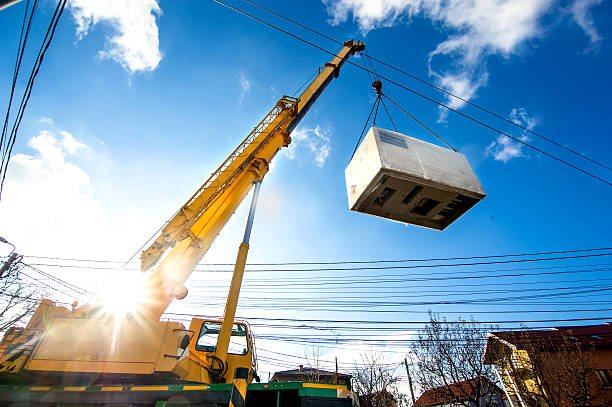
- Safe operation of excavators, loaders, and trucks
- Maintaining safe distance from trench edges
- Preventing soil displacement and equipment-induced hazards
Module 10: Environmental and Weather Considerations
- Impact of rain, frost, and temperature extremes on excavation safety
- Wind, vibration, and other environmental factors
- Monitoring conditions and suspending work if necessary
Module 11: Emergency Procedures and Rescue
- Response to cave-ins, collapses, and flooding
- First aid and rescue equipment
- Reporting incidents and post-incident investigation
Module 12: Continuous Improvement and Safety Culture
- Reviewing incidents and near misses
- Updating excavation procedures and training
- Promoting a proactive culture of excavation safety