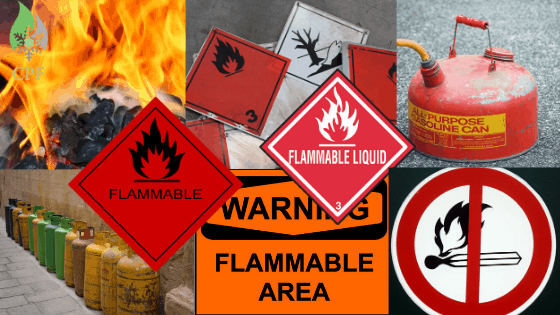
Module 1: Introduction to Combustible and Flammable Materials
- Definitions and differences between combustible and flammable materials
- Examples: liquids, gases, solids, and dust
- Regulatory standards (OSHA, NFPA 30, ISO 14001)
Module 2: Fire Hazards Associated with Flammable Materials
- Ignition sources and conditions
- Fire triangle and fire tetrahedron concepts
- Common incidents and case studies
Module 3: Risk Assessment and Hazard Identification
- Identifying flammable materials in the workplace
- Evaluating risk based on storage, handling, and usage
- Control measures and documentation
Module 4: Safe Storage Practices
- Segregation of incompatible materials
- Storage cabinets and containers
- Temperature, ventilation, and labeling requirements
Module 5: Handling and Transfer Procedures
- Safe pouring, pumping, and dispensing methods
- Grounding and bonding during transfer of flammable liquids
- Spill prevention and containment measures
Module 6: Transportation of Flammable Materials
- Safe transport within the facility
- Vehicle and container requirements
- Emergency response during transport incidents
Module 7: Personal Protective Equipment (PPE)
- Flame-resistant clothing, gloves, goggles, and respirators
- Correct selection based on material type and risk
- PPE maintenance and inspection
Module 8: Fire Prevention and Control Measures
- Eliminating ignition sources near flammable materials
- Use of explosion-proof equipment and electrical fittings
- Housekeeping and waste management
Module 9: Spill Response and Containment
- Immediate actions in case of spill or leak
- Spill kits and neutralizing agents
- Evacuation and reporting procedures
Module 10: Hot Work and Flammable Materials
- Hot work permit system (welding, cutting, grinding)
- Fire watch responsibilities
- Shielding and isolation methods
Module 11: Emergency Procedures and Incident Reporting
- Evacuation, alarm raising, and firefighting actions
- Coordinating with fire response teams
- Incident investigation and corrective actions
Module 12: Training, Compliance, and Safety Culture
- Regular refresher training for employees
- Documentation and regulatory compliance
- Promoting awareness and continuous improvement