Module 1: Introduction to Crane and Lifting Operations
- Overview of crane operations and lifting activities
- Importance of lifting safety and accident statistics
- Applicable standards (OSHA 1926.1400, LOLER, ISO 9927)
Module 2: Types of Cranes and Lifting Equipment
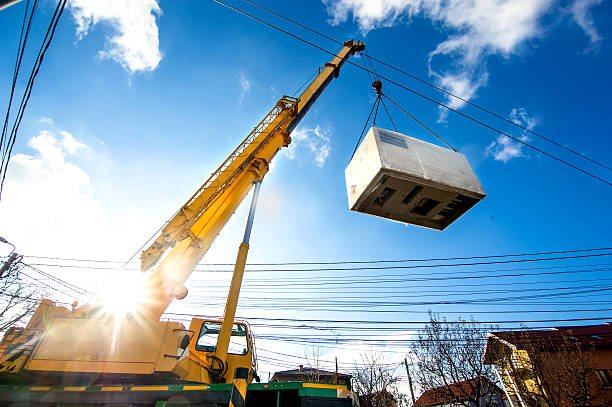
- Mobile cranes, tower cranes, overhead cranes, and hoists
- Lifting accessories: slings, shackles, hooks, spreader bars
- Selection of equipment based on task and load
Module 3: Roles and Responsibilities
- Duties of the lifting supervisor, rigger, signalman, and crane operator
- Responsibilities of competent and authorized persons
- Importance of communication and teamwork
Module 4: Lifting Hazards and Risk Factors
- Overloading, instability, and tipping hazards
- Contact with power lines or nearby structures
- Falling loads and equipment failure
Module 5: Lift Planning and Risk Assessment
- Pre-lift surveys and site assessment
- Preparing a lifting plan (load path, radius, swing area)
- Evaluating ground conditions and wind limits
Module 6: Load Weight, Center of Gravity, and Rigging Principles
- Calculating load weight and center of gravity
- Selection and inspection of slings and shackles
- Rigging angles, sling capacity charts, and safe working load (SWL)
Module 7: Crane Setup and Stability
- Positioning and leveling of cranes
- Outriggers, mats, and ground bearing capacity
- Avoiding soft ground and slope hazards
Module 8: Safe Lifting and Signaling Procedures
- Standard hand and radio signals for crane operations
- Tag line use and control of suspended loads
- Coordination between operator and signalman
Module 9: Inspection, Maintenance, and Certification
- Pre-use and periodic inspections of cranes and lifting gear
- Maintenance schedules and documentation
- Color coding and tagging systems
Module 10: Special Lifting Operations
- Tandem lifting, lifting near live lines, and night operations
- Lifting personnel with man baskets
- Non-routine and critical lifts
Module 11: Emergency Response and Incident Management
- Actions in case of crane failure or load drop
- Rescue and evacuation procedures
- Reporting and investigating lifting incidents
Module 12: Continuous Improvement and Safety Culture
- Toolbox talks and refresher training
- Lessons learned and sharing best practices
- Promoting a strong lifting safety culture